 Game Studio
Practise without the pressure
Break a procedure or skill into manageable steps. Let people try, receive feedback and repeat the difficult parts. Useful for onboarding, task training and guided practice.
Try a difficult conversation. Explore how a system works. Practise a task where every choice changes what happens next. A game can give people room to experiment before they face the real situation.
We turn your subject knowledge into clear choices, useful feedback and a playable experience. The visual style follows the audience: a friendly learning world, a focused workplace simulation or something in between.
Break a procedure or skill into manageable steps. Let people try, receive feedback and repeat the difficult parts. Useful for onboarding, task training and guided practice.
A customer conversation, a planning problem or a team scenario can have several possible routes. Show consequences and use the experience as a starting point for discussion.
Turn a process, flow or abstract topic into something people can change and observe. Move resources, build a route or adjust a system to understand how the parts affect one another.
Move something. Make a choice. See what happens. We build around the people playing and the places where they learn.
Build a route, put the steps in order or move the pieces until something clicks. A shared tablet turns an explanation into something people can try.
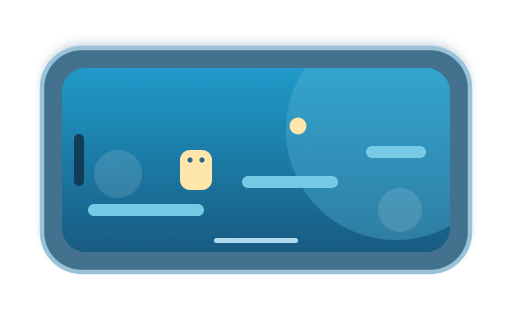
iPad · iPhone
Run a small town, plan a busy day or work through a tricky conversation. Give people room to experiment, see the result and try again.
Mac · Desktop
Put a choice on the big screen. Take turns, compare ideas and talk about what happened. The game gives the whole room something to explore.
Apple TV · Shared screens · Controllers
Open a link and try a short scenario. An easy way to practise between sessions or pick up where a lesson left off.
Browser · Intranet · Learning environment
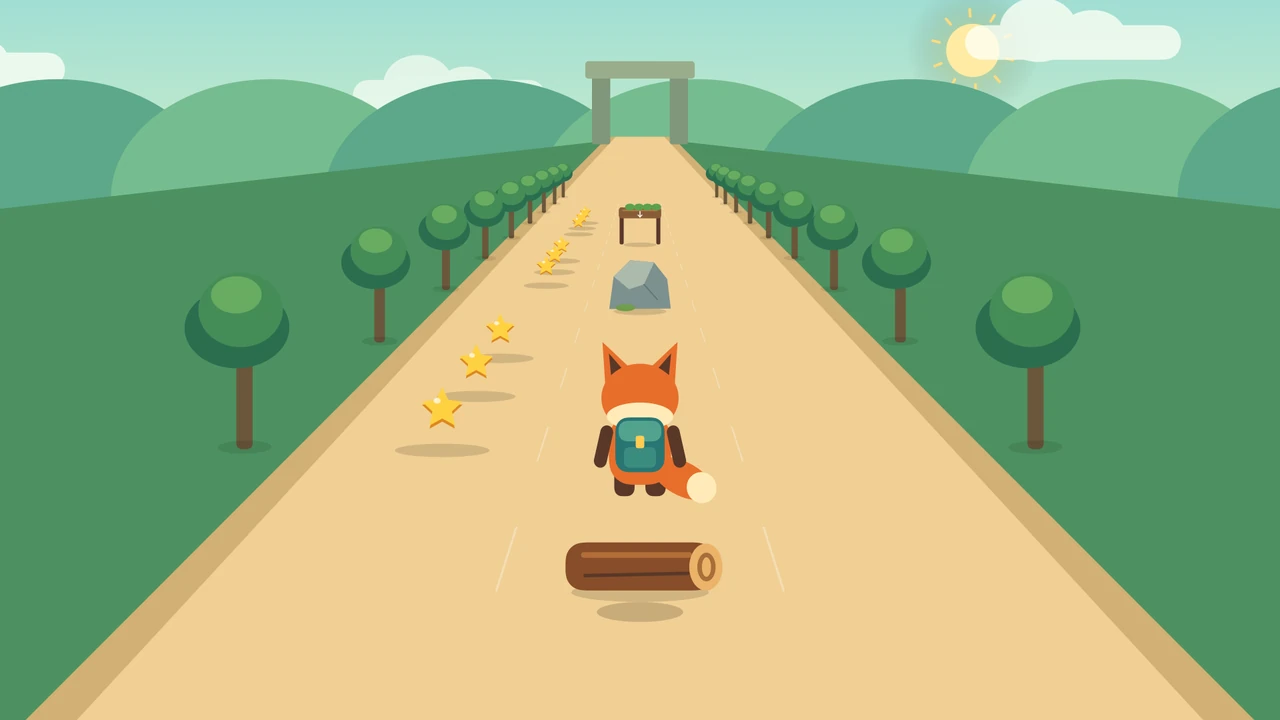
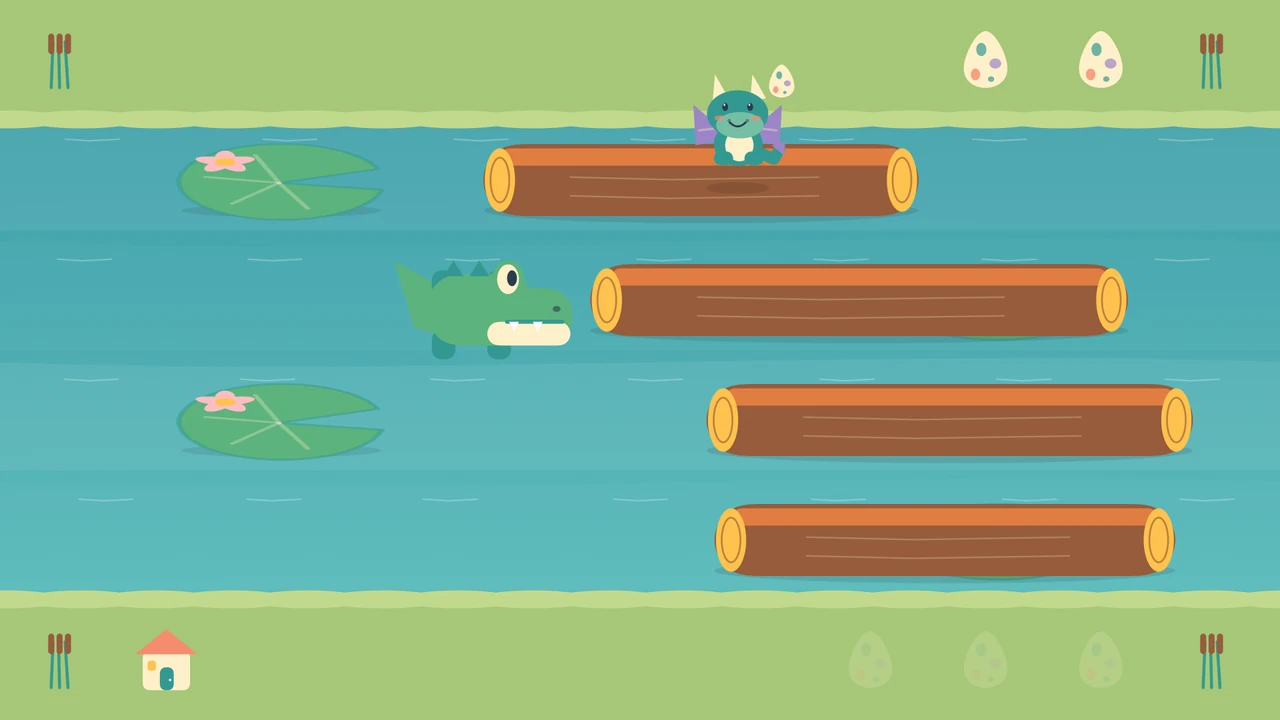
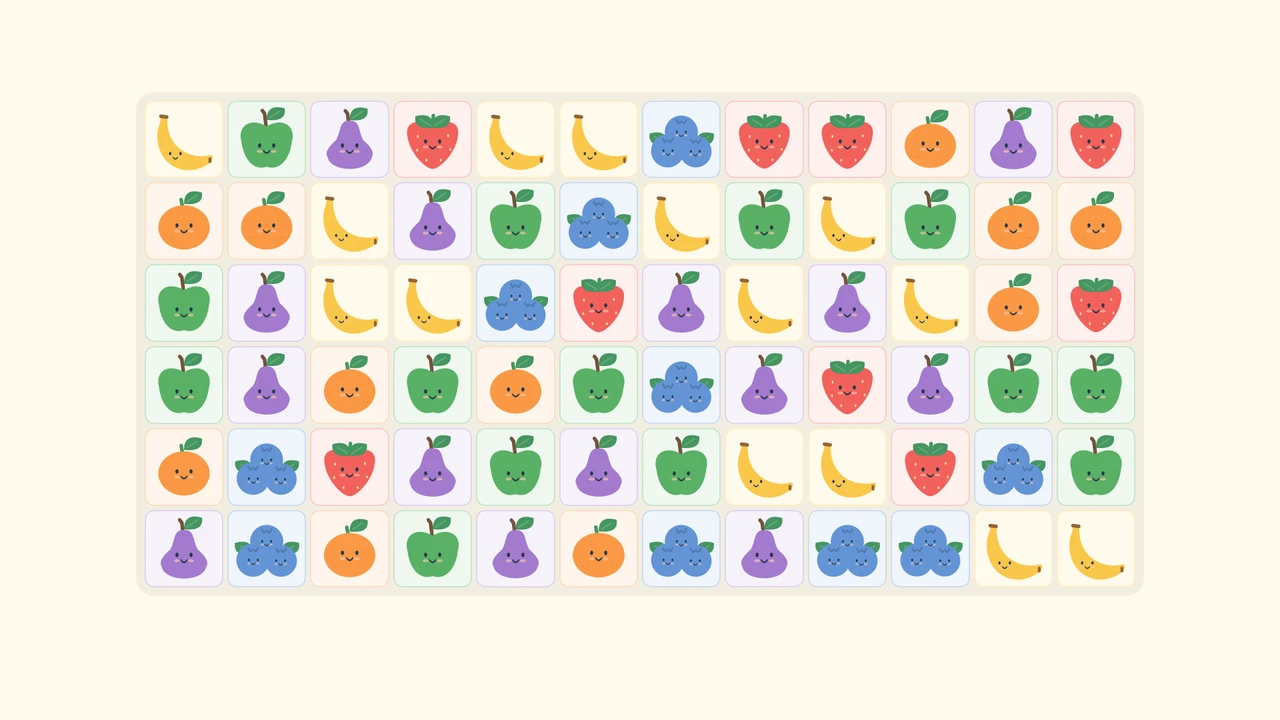
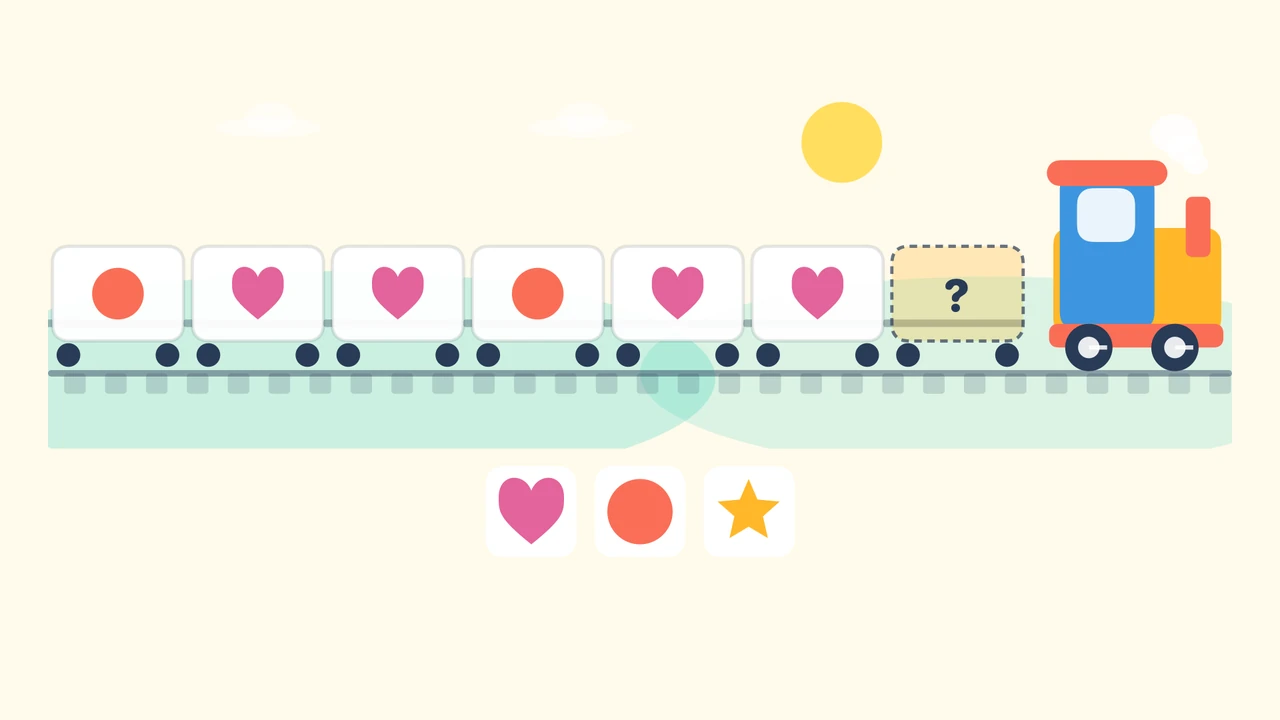
Our own LoopKids collection includes games about routes, patterns, numbers and timing. Each turns a clear task into something you can try, repeat and explore. Browse the changing scenes to see these interactions in action.
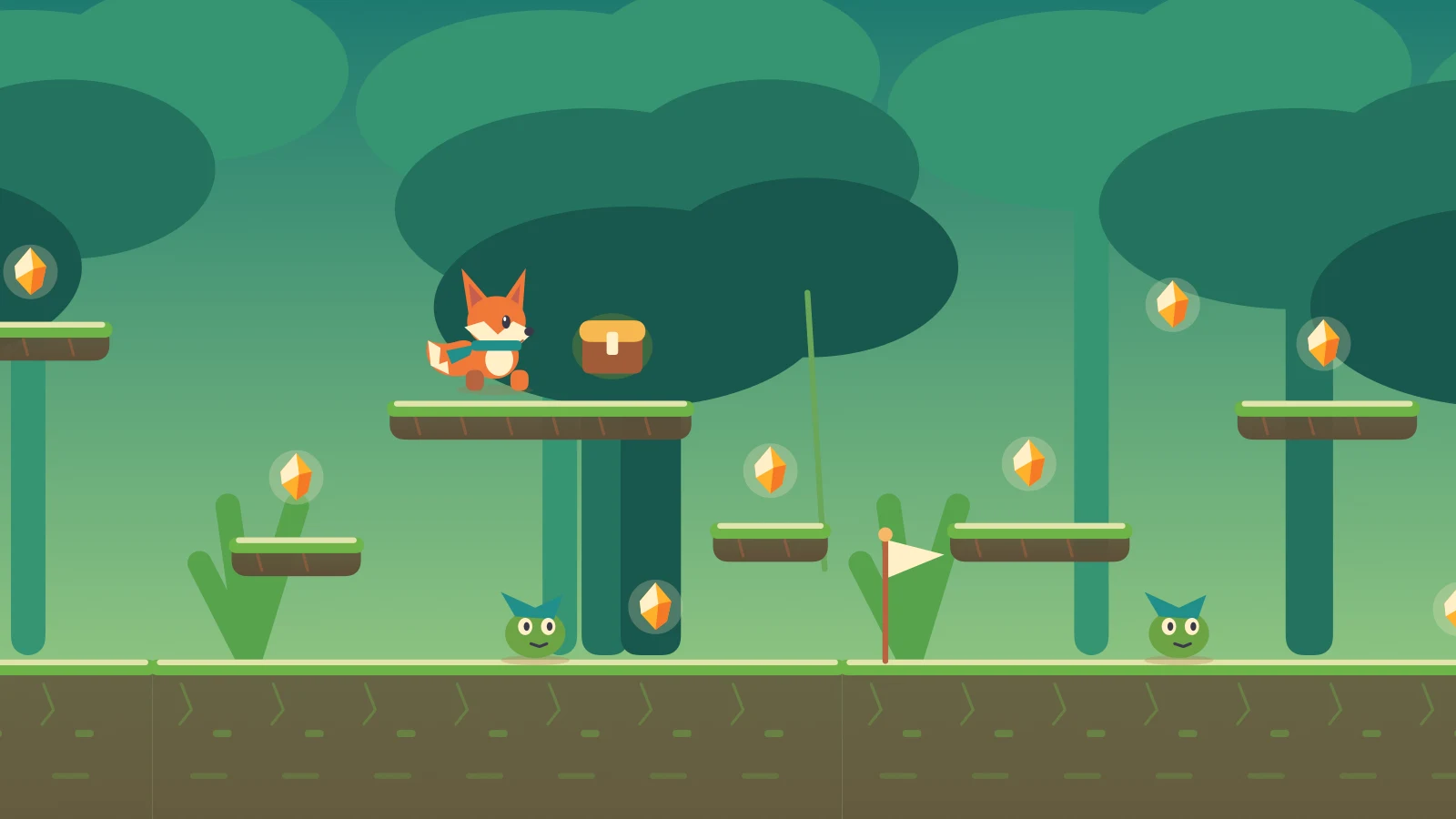
Play, discover and learn on iPad, Mac and Apple TV. LoopKids combines playful and educational games with playtime controls for parents. Completely offline and free, with no ads, tracking, subscriptions or in-app purchases.
View LoopKidsA familiar place makes a useful starting point. Here, a warehouse photograph becomes a simple 3D study, then a game environment for practising tasks and finding your way.

A real warehouse, with its own layout, materials and details. A photograph helps us understand the space people work in and what they need to recognise.
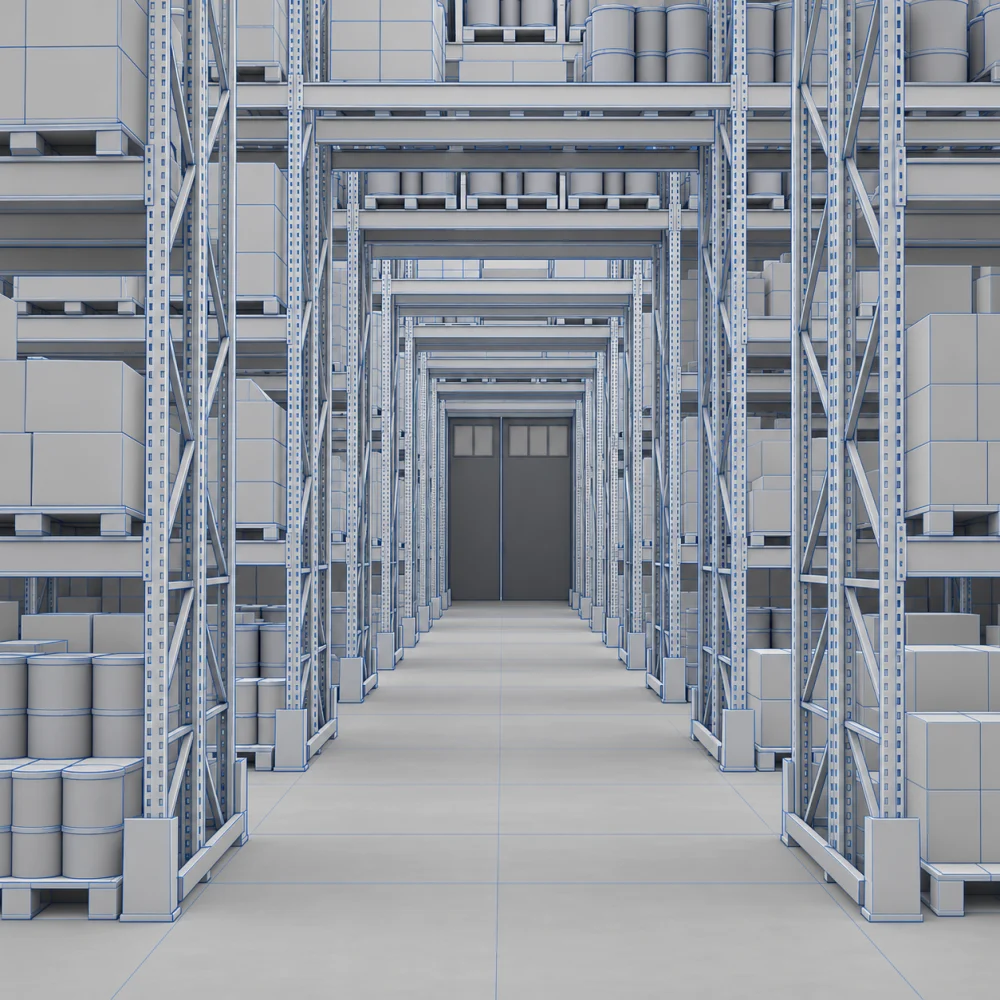
The same racks, aisle and doorway become a simple 3D study. With the details stripped back, we can focus on scale, sightlines and the route through the space.

Materials, lighting and colour give the warehouse its character. A highlighted item and a waypoint show how a familiar task could become a guided practice session.
Warehouse photo: Tiger Lily / Pexels. The two 3D concept visuals show how the same space could become a training environment.
We start with a concrete question: what should someone practise or understand? Your subject experts supply and validate the content. Together, we choose a small scenario that makes the intended outcome observable.
A prototype lets representative users try the task. We look at the choices they make, where they hesitate and whether the feedback helps. Instructions, difficulty, accessibility and the role of a facilitator are refined along with the game.
If you need learner accounts, progress reporting or a connection to an existing learning environment, we scope those alongside the experience. We also agree how to evaluate the result; finishing a level is not automatically evidence that a skill has been learned.
No. It can be a colourful learning world or a restrained simulation for professionals. The warehouse study on this page starts with a photograph of a real place. The visual style follows the people playing and what they need to practise.
You or your subject experts provide and validate the domain knowledge. We work with you to translate it into clear interactions, feedback and a usable game experience.
We define the intended outcome and a way to evaluate it before building the full game. This can involve observation, feedback and a suitable task before or after play. The approach depends on the topic and audience; we do not assume a game automatically improves learning.
Tell us about the subject, your audience and what you want them to practise. We can explore whether a game is a useful way to approach it.
Explore your learning ideaTurn a campaign into a challenge, a product into a discovery, or a brand into a world people want to explore.
Explore the possibilitiesA puzzle, an adventure, a racer or something nobody has played before. Let’s find the fun in your idea.
Explore the possibilities